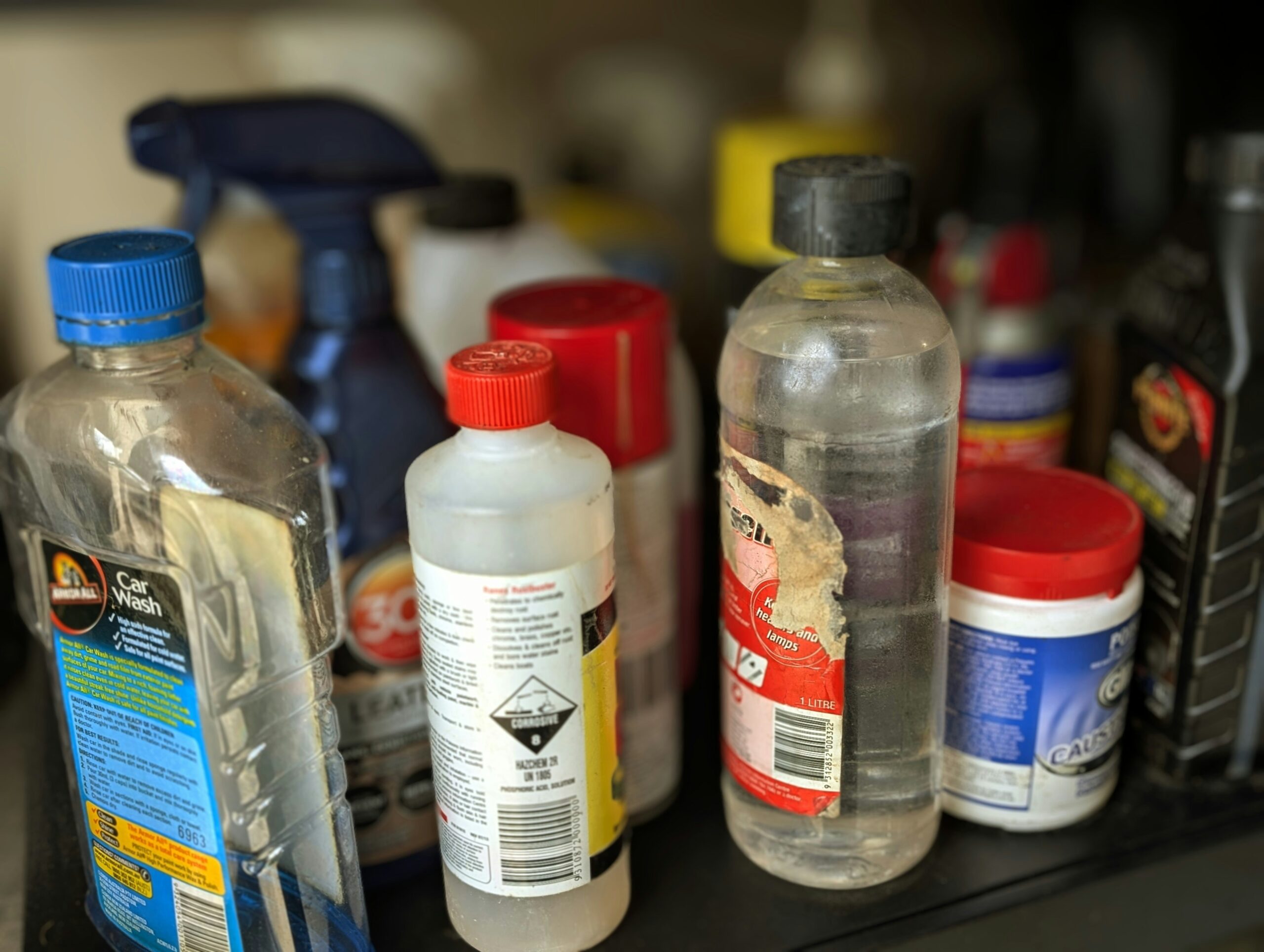
When we think about cleaning products, we usually focus on how effectively they remove dirt, grease, and germs. However, many traditional cleaning products contain chemicals that can have unintended effects on our health, indoor environments, and the natural world.
While these ingredients may not always be obvious from the front label, understanding what’s inside your cleaning products can help you make more informed choices for your home or business.
1. Ammonia
Ammonia is commonly found in glass cleaners, floor cleaners, and polishing products. It is effective at cutting through grime and leaving surfaces streak-free, but it can also release strong fumes that may irritate the eyes, nose, and throat.
For individuals with asthma or respiratory sensitivities, prolonged exposure to ammonia-based products can be particularly uncomfortable. When mixed with bleach, ammonia can produce toxic gases that pose serious health risks.
2. Chlorine Bleach
Chlorine bleach is widely used for disinfecting and whitening surfaces. Although it is effective at killing many types of bacteria and viruses, it can also be highly corrosive and irritating.
Exposure to bleach fumes may cause respiratory discomfort, skin irritation, and eye irritation. When bleach enters wastewater systems, it can contribute to environmental pollution and affect aquatic ecosystems.
3. Phosphates
Phosphates were historically used in many detergents and cleaning products to improve cleaning performance. While effective, phosphates can have a significant environmental impact when they enter rivers, dams, and waterways.
Excess phosphates encourage rapid algae growth, a process known as eutrophication. This reduces oxygen levels in water and can harm fish and other aquatic life.
4. Volatile Organic Compounds (VOCs)
Many cleaning products contain VOCs, which are chemicals that evaporate easily into the air. VOCs are often found in air fresheners, disinfectants, furniture polish, and scented cleaning products.
These compounds can contribute to poor indoor air quality and may cause headaches, dizziness, eye irritation, or respiratory discomfort in sensitive individuals. In some cases, VOCs can also contribute to outdoor air pollution.
5. Synthetic Fragrances
A pleasant scent often gives the impression that a space is clean. However, the term “fragrance” on a product label can represent a complex mixture of chemicals that manufacturers are not always required to disclose individually.
Some synthetic fragrance ingredients may trigger allergic reactions, skin irritation, or headaches in sensitive users. Choosing products with naturally derived fragrances or fragrance-free formulations can help reduce unnecessary chemical exposure.
6. Formaldehyde-Releasing Preservatives
Certain cleaning products contain preservatives that slowly release formaldehyde to prevent bacterial growth and extend shelf life.
Formaldehyde is known for its strong odor and potential to cause irritation to the eyes, skin, and respiratory system. While often present in small amounts, many consumers and businesses prefer to avoid products containing formaldehyde-releasing ingredients whenever possible.
7. Quaternary Ammonium Compounds (“Quats”)
Quats are commonly used in disinfectants and antibacterial cleaning products because of their ability to kill microorganisms.
Although effective as disinfectants, frequent exposure may contribute to skin irritation and respiratory sensitivity in some individuals. As awareness grows around sustainable cleaning practices, many organizations are seeking safer alternatives where appropriate.
Why Businesses Are Making the Switch
Modern consumers, employees, and customers are becoming increasingly conscious of the products used in their homes, workplaces, schools, and public spaces.
Eco-friendly cleaning solutions are designed to deliver effective cleaning performance while minimizing environmental impact. Many environmentally responsible products use biodegradable ingredients, reduced toxicity formulations, and sustainable manufacturing practices.
For businesses, adopting greener cleaning solutions can help support sustainability goals, improve workplace wellbeing, and demonstrate environmental responsibility to customers and stakeholders.
A Smarter Approach to Cleaning
Effective cleaning does not have to come at the expense of environmental health. By understanding the ingredients found in traditional cleaning products, businesses and consumers can make choices that are better for people, workplaces, and the planet.
At Bio Green, we believe cleaning products should deliver outstanding results while supporting a cleaner, healthier future. That’s why we focus on environmentally friendly cleaning solutions that help reduce harmful chemical exposure without compromising on performance.
Looking for a Greener Alternative?
Whether you’re managing a business, educational facility, hospitality venue, or commercial property, Bio Green offers environmentally responsible cleaning solutions designed to meet modern cleaning standards while reducing environmental impact.
Contact our team today to learn more about our range of eco-friendly cleaning chemicals and sustainable cleaning solutions.

Leave a Reply