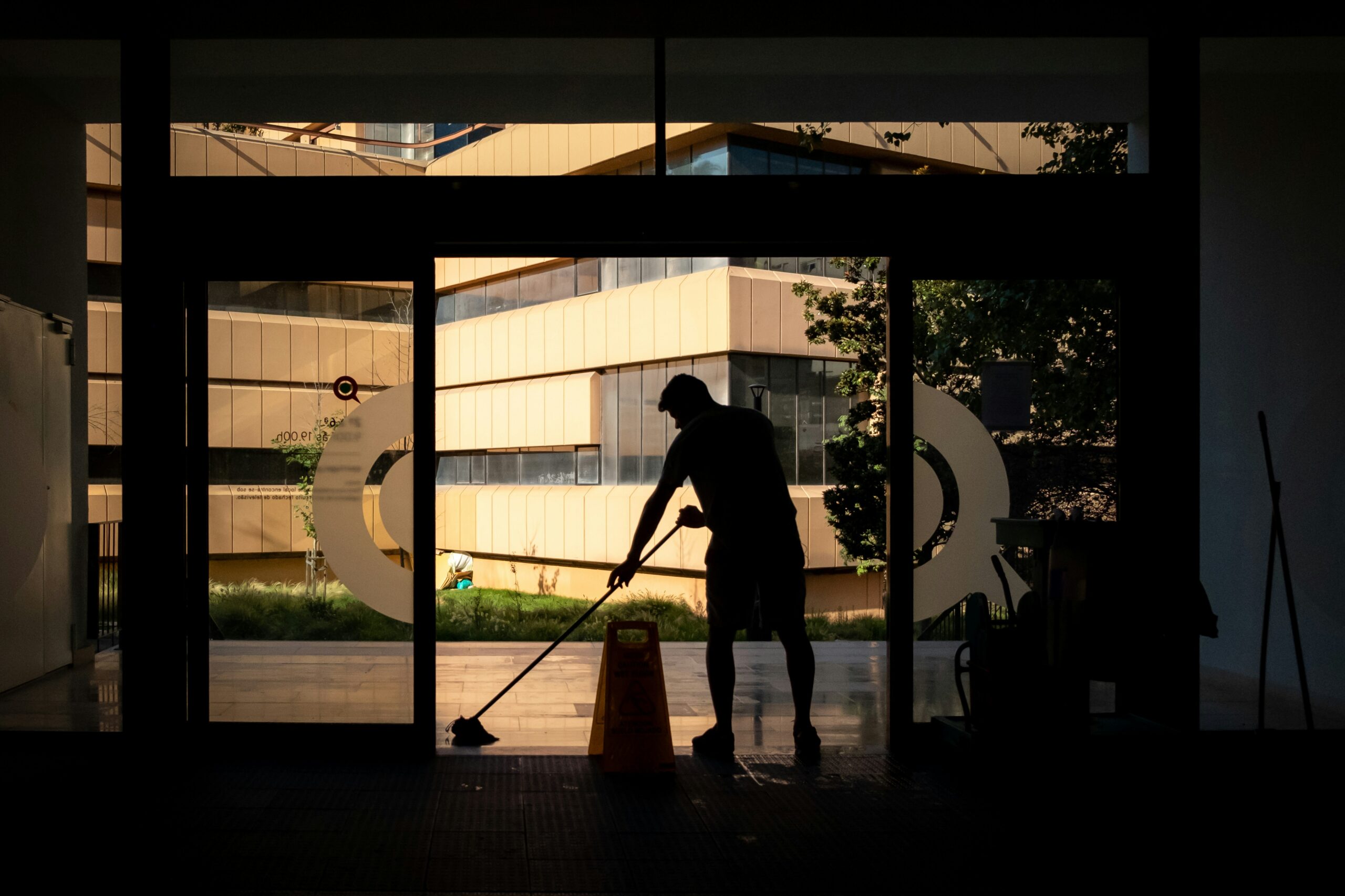
Cleaning plays a vital role in maintaining healthy, productive, and welcoming environments. Whether in offices, schools, hospitals, restaurants, factories, or commercial facilities, effective cleaning helps prevent the spread of germs, improves hygiene standards, and creates a positive experience for employees, customers, and visitors.
However, while cleaning is intended to protect health, the process itself can introduce risks if proper safety measures are not followed. From chemical exposure to slips, trips, and improper product handling, cleaning-related incidents can have serious consequences for both individuals and businesses.
Understanding the importance of health and safety during cleaning is essential for creating safer workplaces and achieving better long-term outcomes.
Cleaning Should Never Compromise Safety
The primary goal of cleaning is to create a healthier environment. Unfortunately, using cleaning products incorrectly or neglecting safety procedures can have the opposite effect.
Many traditional cleaning chemicals contain ingredients that may cause skin irritation, respiratory discomfort, eye irritation, or other health concerns when used improperly. Employees who regularly work with cleaning products may face increased exposure if appropriate precautions are not taken.
A safe cleaning program focuses not only on cleanliness but also on protecting the people performing the work.
Understanding Chemical Risks
Every cleaning product has specific instructions for safe use. Ignoring these instructions can increase the risk of accidents and health issues.
Some common risks include:
- Skin irritation from direct contact with chemicals
- Eye injuries caused by splashes
- Breathing difficulties from strong fumes
- Chemical burns from concentrated products
- Dangerous reactions caused by mixing incompatible chemicals
One of the most important safety principles is to never mix cleaning chemicals unless specifically instructed by the manufacturer. Certain combinations can produce hazardous gases or chemical reactions that pose significant health risks.
Proper training and product knowledge are critical for safe cleaning practices.
The Importance of Personal Protective Equipment (PPE)
Personal protective equipment plays an important role in protecting cleaning staff from potential hazards.
Depending on the task and product being used, PPE may include:
- Protective gloves
- Safety goggles
- Face shields
- Protective clothing
- Respiratory protection where required
Using the correct protective equipment helps reduce exposure to chemicals and lowers the likelihood of workplace injuries.
While PPE is essential, it should always be used alongside proper cleaning procedures rather than as a substitute for safe practices.
Preventing Slips, Trips, and Falls
When people think about cleaning hazards, chemicals often come to mind first. However, slips, trips, and falls remain among the most common workplace accidents.
Wet floors, cleaning equipment, hoses, cables, and misplaced tools can all create hazards if not managed correctly.
Simple preventative measures can make a significant difference:
- Displaying wet floor warning signs
- Keeping walkways clear
- Cleaning spills immediately
- Storing equipment properly
- Following established cleaning procedures
Creating awareness of potential hazards helps protect both cleaning staff and building occupants.
The Role of Training
Even the safest products can become hazardous if they are used incorrectly.
Proper training ensures that employees understand:
- Product dilution requirements
- Safe handling procedures
- Emergency response protocols
- Correct storage practices
- PPE requirements
- Hazard communication systems
Well-trained staff are more confident, more efficient, and significantly less likely to experience accidents or injuries.
Investing in training is one of the most effective ways to improve workplace safety.
Choosing Safer Cleaning Products
Health and safety considerations begin long before a cleaning task starts. The products selected by a business can significantly influence workplace risk levels.
Many organizations are now choosing environmentally responsible cleaning products that are designed to reduce unnecessary chemical exposure while still delivering effective cleaning performance.
Products that use lower-toxicity formulations, biodegradable ingredients, and reduced levels of harsh chemicals can help support safer working environments and better indoor air quality.
Selecting safer alternatives demonstrates a commitment to both employee wellbeing and environmental responsibility.
Healthier Employees, Better Businesses
A safe workplace benefits everyone.
Employees who feel protected and supported are more likely to perform their duties effectively and confidently. Reduced workplace incidents can lead to fewer disruptions, lower costs, improved morale, and stronger productivity.
Customers and visitors also benefit from environments that are maintained according to high standards of cleanliness and safety.
Health and safety should never be viewed as an administrative requirement. It is a fundamental part of responsible business operations.
Creating a Culture of Safety
The most successful organizations understand that safety is not a one-time initiative. It is an ongoing commitment that influences daily decisions and workplace culture.
By prioritizing safe cleaning practices, providing proper training, using appropriate protective equipment, and selecting responsible cleaning products, businesses can create environments that protect both people and property.
Cleaning With Confidence
Effective cleaning and workplace safety go hand in hand. A truly clean environment is one that protects not only the people who use the space but also the people responsible for maintaining it.
At Bio Green, we believe that cleaning solutions should support health, safety, and sustainability. That’s why we are committed to providing high-quality cleaning products that deliver reliable results while helping businesses create safer and healthier environments for employees, customers, and communities.
Because the best cleaning solutions don’t just clean surfaces—they help protect people.

Leave a Reply